
A Lesson in Colonial History from a Farm’s Yurt
WEDNESDAY, October 14, 2026
Jade Kwitkiwski
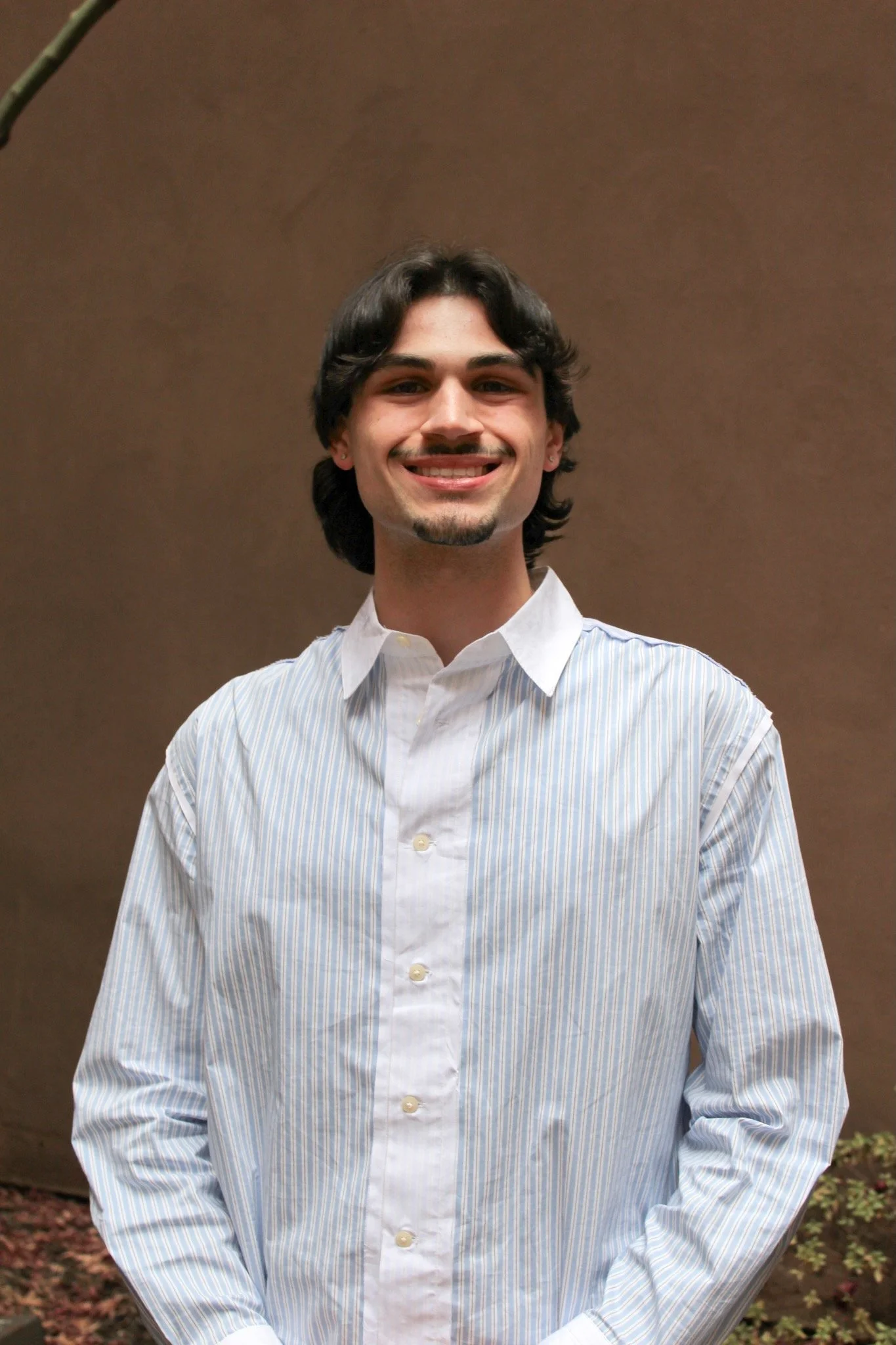
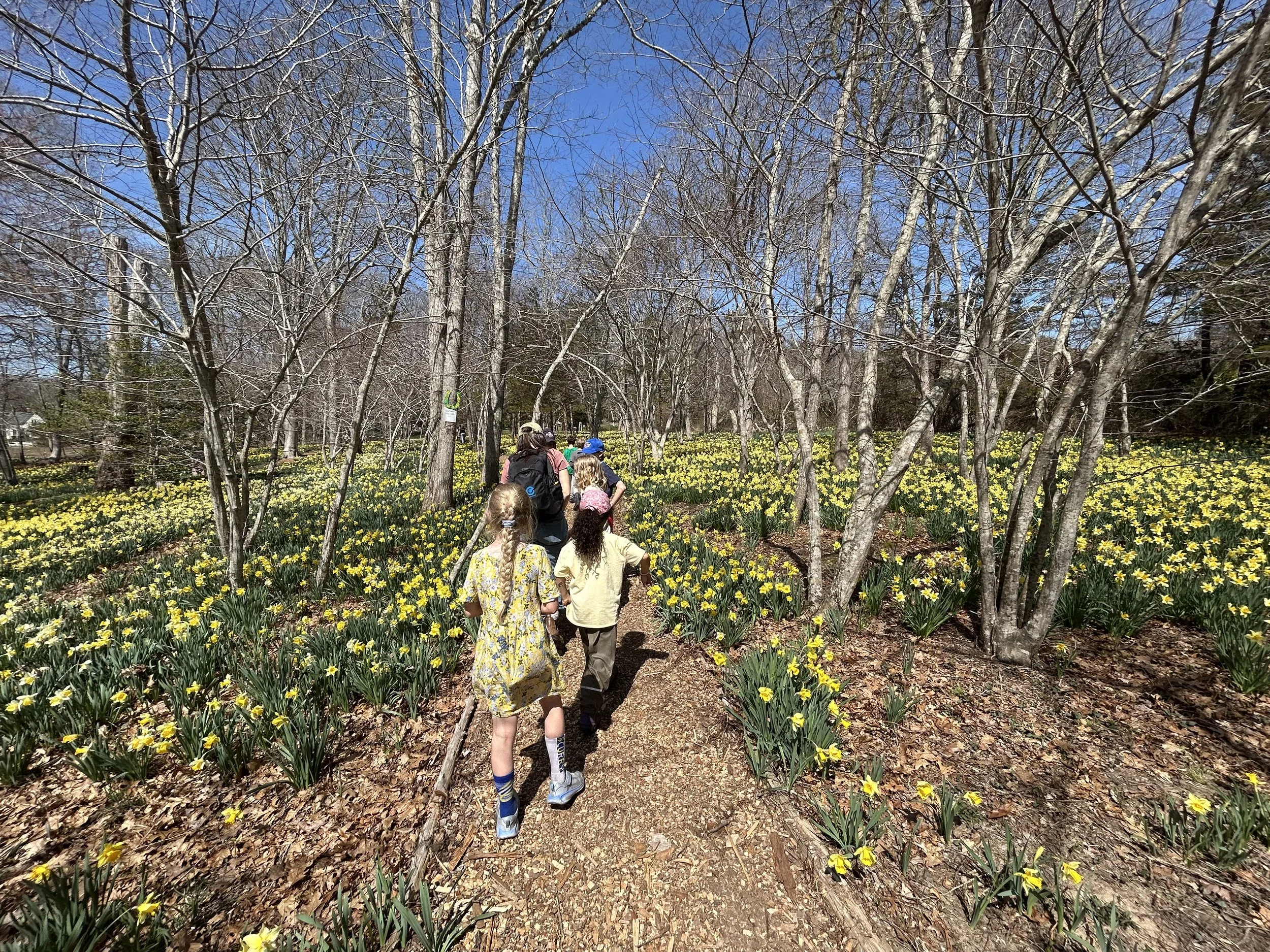
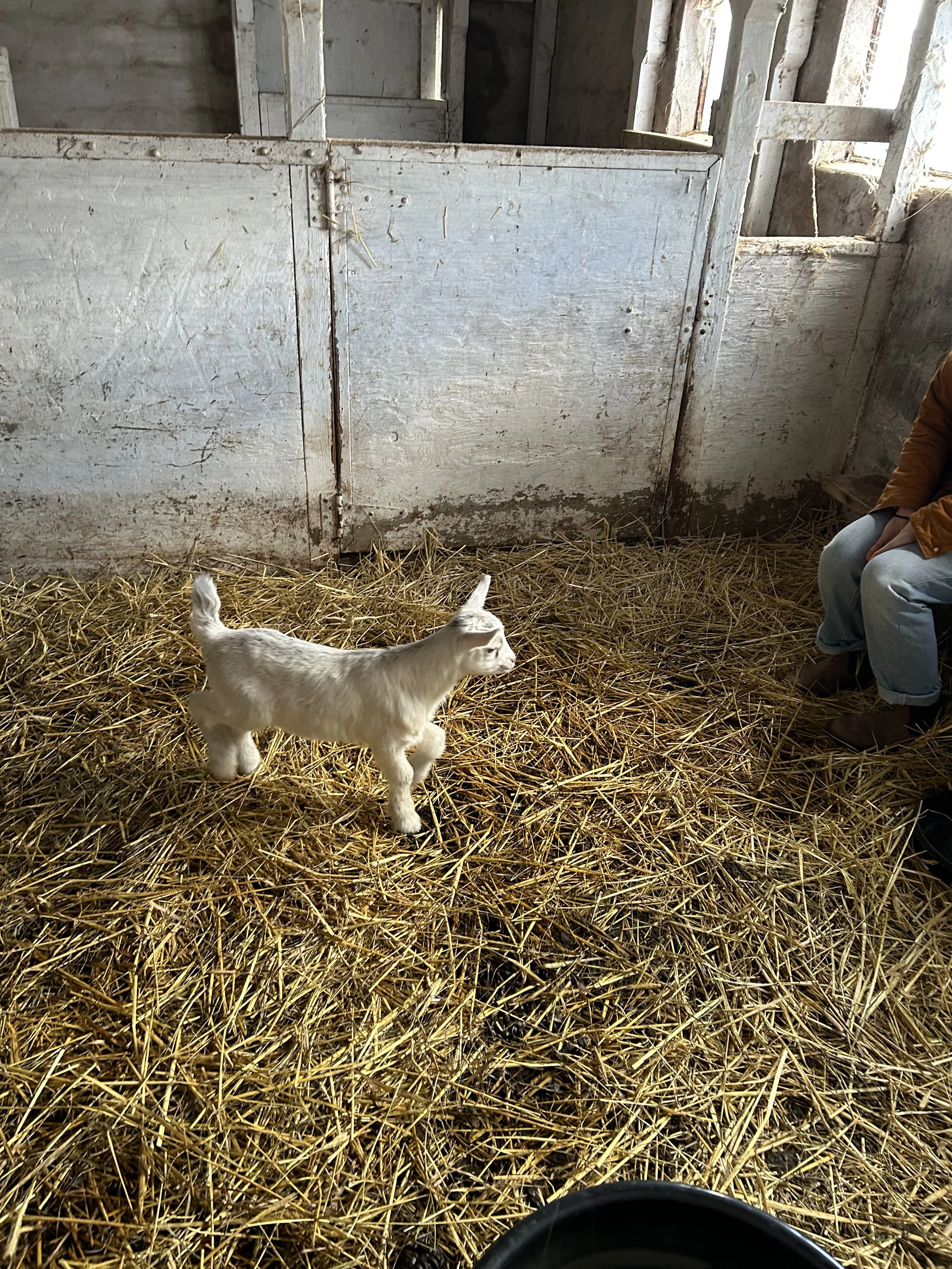
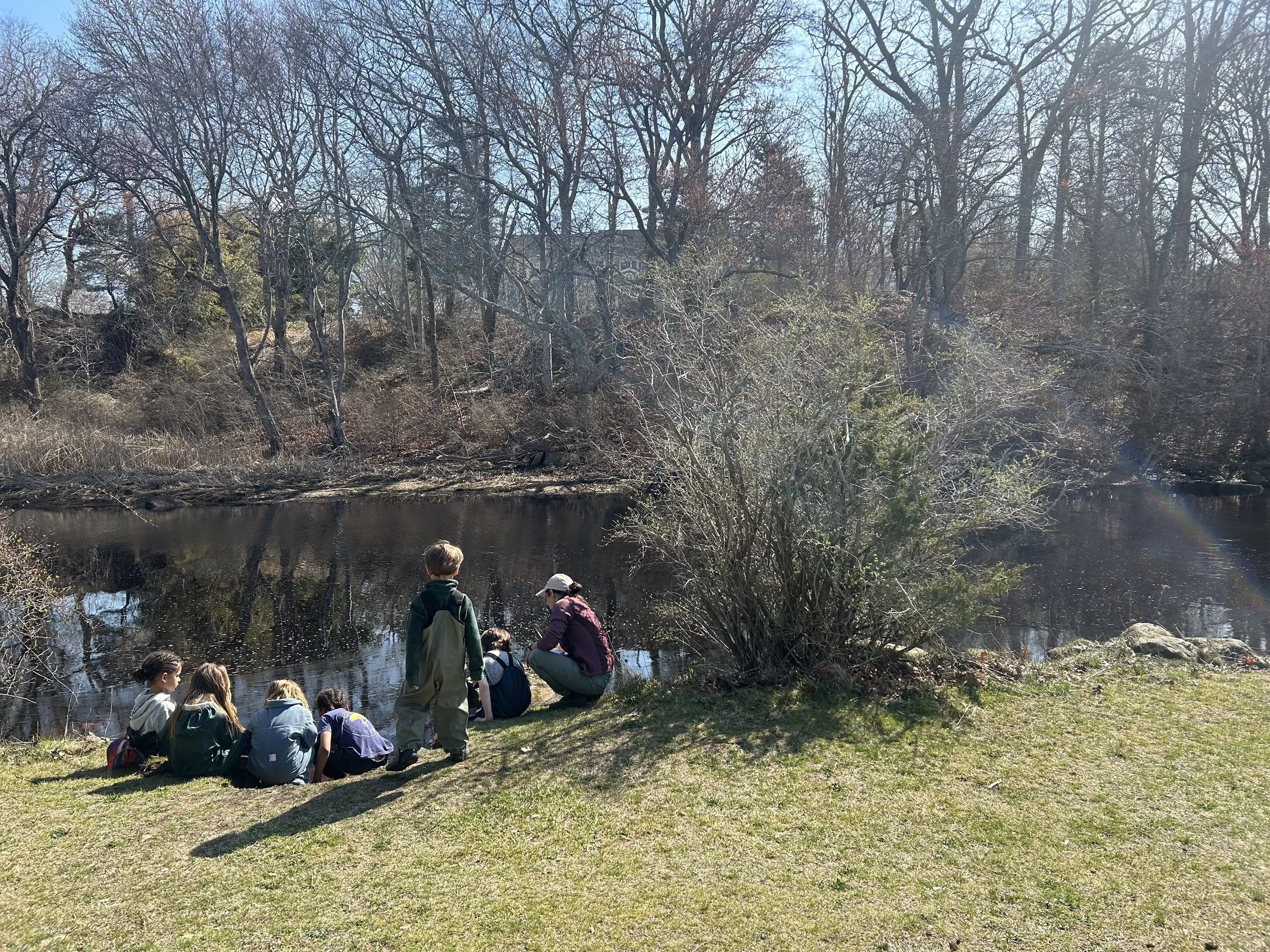
It was wintertime in Dartmouth, Massachusetts, and the children’s indoor classroom, a yurt, housed small tables and chairs, a cozy library with blankets, and a cubby space where students practiced putting away their belongings. Outside, Round the Bend Farm’s 115 acres served as a lively outdoor classroom for nature-based learning.
Young students at Elements Learning Collaborative attend “enrichment-style” drop-off classes to supplement their homeschooling, centered around the natural world, science and creativity.
It was already halfway through the school year for the kids, but for University of Massachusetts Dartmouth junior Cameron Cabral, today was day one. Well, sort of: his first week was virtual because of a brutal snowstorm, power outages and all.
Through Semester for Impact, Cameron would spend the next few months of spring 2026 interning at Elements as an Education Support Fellow. The internship would count toward his Apex Project, an Honors College capstone requirement, at UMass Dartmouth. His new normal consisted of the internship, classes on campus and life at home. He knew he wanted to teach one day, and this opportunity would let him dive in for the first time.
His mentor and Elements co-founder, Cristy O’Brien, hadn’t arrived yet, so another employee told him he could hang out with the kids in the meantime.
Most of the kids were outside playing in the snow, except for two girls, Elowen and Aurora. The two third-graders were initially “a little bit standoffish,” as many young kids can be when meeting someone unfamiliar, Cameron explained.
Hands-on activities and creativity are a core component of experiential learning at Elements. With Cameron’s arrival, his special project was creating curriculum & leading lessons with a focus on history, building on his interests as a History major and Religious Studies minor at UMD. Notably, Cameron hoped to, “teach American colonial history from both perspectives,” and highlight the impact of local native tribes, like the Wampanoag people.
Cameron started asking them questions: “Do you like snow? Do you have pets at home? What’s your favorite craft?” Together, they constructed constellations with raw spaghetti and Play-Doh, chatting more eagerly as the girls warmed up to his presence.
“From my upbringing, [history] was very Eurocentric, and I just noticed a lot of flaws with the way that I was taught it, and so I wanted to break that cycle and do things a little bit differently,” Cameron said. “Everyone at Elements really loved the mission, and it was really in tune with their goals and their whole initiative.”
A unique challenge of the learning environment was the student age range. Students in Cameron’s sessions were generally in second to fourth grade, so it was necessary for him to build a curriculum that would resonate across ages.
“Cameron took the time to understand the learners' needs and designed lessons and materials to ensure the learners were successful,” Cristy said, “[His] approach felt natural and calm while simultaneously allowing his passion and excitement for history to translate to the learners.”
Once Cameron started to get a feel for teaching and the learning philosophy at Elements, he moved from supporting to leading classes for the students.
Instead of the 12-month solar calendar, the 13 moons calendar is used locally by the Wampanoag tribe and nationally by other Native American tribes to keep track of time. Cameron developed a lesson about the calendar, explaining how the different moons align to events in nature, much to the excitement of the students.
“I think that was a great opener to kind of show them that, you know, not everyone does things the way that we do things, and that's okay,” he reflected.
Some of the older fourth-grade students had epiphany moments during these lessons, whereas the younger students were often focused on clarification or general knowledge.
During a lesson on Pocahontas, he recalled one student who said, “‘Oh my God, wait! So like the Europeans are the bad guys? Like the settlers are the bad ones?’ As a teacher now, he could see the impact of his lessons on gently “rewiring” some of their misconceptions.
Eventually, all of the children warmed up to Cameron as he shed his “new guy” status. The closer their bond grew, the stronger their attention spans became, and the students became more involved in his lessons. His connections with them made it all that much harder to leave at the end of the semester.
“It was honestly one of the most valuable experiences I've had in college. Valuable from multiple ends, like obviously the education and the experience, but also all the people that I met every step of the way,” Cameron said, “I would have never met these people without this internship, and I'm so happy and grateful that I have.”
A week before the snowstorm that derailed Cameron’s first week on-site, he was in Boston for Semester for Impact’s Launch Week. He met a host of new faces, students and staff alike, who he’d maintain relationships with throughout the semester and beyond.
The week is dedicated to orienting fellows to their internship assignments, building cohort community, and learning the various ins and outs of program support, classes and opportunities.
Korean-fried chicken, board games and late-night conversations dominated his first night. Cameron and the other fellows, either from UMass Dartmouth or the University of Vermont, cohabitated for the week in fellow housing in downtown Allston.
“We would literally be up, probably not the best idea, like all night long. But because the time would just fly, we wouldn't even realize, and we would all be vibing,” he said, laughing.
Many months have passed now since that memorable week, but he’s still friends with fellows from his cohort. Just a few weeks ago, he went on a weekend trip with a few from New Hampshire.
Nowadays, Cameron is deep in the fall of his senior year of college as an Honors student at UMass Dartmouth. He’s deep-diving into local history, like “This Land is Their Land” by David Silverman, playing music from his vinyl/CD collection and remembering not to skip breakfast on his way out the door. Eggs if he’s got the time, a piece of fruit if he doesn’t.
“I'm really passionate about what I was doing. That definitely helped me too during the internship,” Cameron recounted, “Because don't get me wrong, I had some really early days being a teacher, so liking what I did and wanting to do it definitely helped me get out of bed every morning.”